Planning an inter-caste wedding in South India but having trouble with the wedding menu?
Don’t worry! you’re not alone.
Although wedding decor, attire, venue, etc., are considered as top priorities for a successful wedding, food tends to become one of the trickiest issues when organizing weddings.
Food plays a crucial role in the lives of South Indian people, being a part of their heritage and culture. For the couple with two families of a different caste background, choosing foods for a wedding can be even more difficult than planning a ceremony itself.
But don’t despair with the right efforts, it is possible to plan a wedding that would combine all the traditions of both families and offer some new tastes at the same time.
This article will show how to combine traditional catering with innovative fusion foods and turn any menu disagreement into celebration of unity.
Why Food Becomes the Heart of Inter-Caste Weddings in South India
The menu of every South Indian wedding has a tale to tell.
The smell of fresh sambar, crunchy banana chips, traditional sweet treats, and hot rice-based foods reminds one of memories from years back in time.
In cases of inter-caste marriages, such customs are very important for both families as they symbolize their distinct identities.
While one of the families expects traditional dining based on a particular sequence, the other may prefer regional dishes or trendy eating styles. It seems like the issue of the menu reflects the history and culture of each family involved.
It is necessary to understand this attitude before planning a menu.
Understanding the Cultural Importance of Wedding Menus
The cuisine of South Indian weddings are not just about food but traditions handed down from one generation to another.
This food is laden with emotions for the parents, grandparents, and relatives.
A number of these dishes represent prosperity and good wishes for the couple. There are certain sweets and savories which are representative of particular communities. Understanding this helps the couple plan their menu better.
The Growing Trend of Fusion Wedding Menus
Contemporary couples are now choosing fusion wedding catering in order to honor both their cultures at the same time.
Rather than going for only one set of preferences, they opt for those of both families.
Today’s weddings often feature:
1. Traditional South Indian Feast Stations
Guests enjoy authentic regional dishes prepared using traditional recipes and cooking methods.
2. Interactive Live Counters
Live dosa stations, millet-based creations, chaat counters, and regional snack bars add excitement to the dining experience.
3. Contemporary Global Influences
Pasta stations, gourmet appetisers, artisanal desserts, and creative beverage counters appeal to younger guests.
Fusion menus allow multiple traditions to coexist without compromising authenticity.
How to Balance Tradition and Modern Expectations
One of the main problems that arise in catering at weddings is pleasing people of various generations.
Whereas the older generation appreciates traditional food cooked the way they have been used to, the younger generation looks for new things in food.
A successful menu typically includes:
1. Signature Traditional Dishes
Retain family favourites that hold cultural significance.
2. Modern Additions
Introduce innovative dishes without replacing traditional staples.
3. Flexible Dining Experiences
Combine seated traditional meals with buffet sections or live counters.
This balance ensures every guest finds something they enjoy.
Regional Food Traditions Across South India
South India offers incredible culinary diversity.
A Tamil wedding feast differs significantly from a Telugu, Kannada, or Malayali wedding menu.
Each region has its own:
- Cooking techniques
- Spice profiles
- Serving traditions
- Signature dishes
- Festive sweets and snacks
Inter-caste weddings provide a wonderful opportunity to showcase these regional variations.
Instead of viewing differences as obstacles, couples can transform them into highlights of the celebration by introducing guests to dishes they may never have experienced before.
Managing the Emotional Side of Menu Planning
Many instances of menu conflict are not even about the food.
These conflicts often arise because of worries about maintaining cultural traditions and representations.
Parents fear letting down family members if the traditional foods are not included on the menu. On the other hand, couples want to be able to make their wedding unique to their shared culture.
Communication is key in resolving these conflicts.
The point is not to figure out whose tradition is better but to celebrate both of them.
Creating Fusion Menus Without Losing Authenticity
The best fusion menus never feel forced.
Instead of completely reinventing traditional recipes, they enhance familiar dishes through creative presentation and thoughtful combinations.
1. Reimagined Traditional Dishes
Serve authentic Chettinad specialties with contemporary plating styles.
2. Modern Dessert Experiences
Present classic South Indian sweets in elegant individual servings.
3. Regional Snack Stations
Create live counters featuring snacks from both family traditions.
4. Creative Food Pairings
Combine complementary regional flavours while preserving original recipes.
Authenticity should always remain at the heart of the menu.
Why Seasonal Ingredients Matter
One of the most overlooked aspects of wedding catering is ingredient selection.
South India’s diverse climate offers access to fresh fruits, vegetables, herbs, and grains throughout the year.
Using seasonal ingredients provides several benefits:
- Better flavour
- Improved freshness
- Sustainable sourcing
- Cost efficiency
- Higher food quality
Guests may not always notice the ingredients themselves, but they will certainly remember exceptional food.
How Professional Caterers Simplify Family Discussions
Experienced wedding caterers do much more than prepare meals.
They often act as advisors who help families navigate differing expectations while maintaining harmony.
Professional caterers can assist through:
1. Menu Tastings
Allowing both families to experience dishes before making decisions.
2. Customized Combinations
Creating menus that represent multiple traditions equally.
3. Expert Recommendations
Suggesting practical solutions based on experience with similar weddings.
4. Structured Planning
Reducing confusion and preventing last-minute disagreements.
Their expertise can transform complicated discussions into collaborative planning sessions.
Presentation Trends in Modern South Indian Weddings
Today’s wedding guests appreciate visual experiences as much as exceptional flavours.
Food presentation has become an important part of wedding storytelling.
Popular presentation styles include:
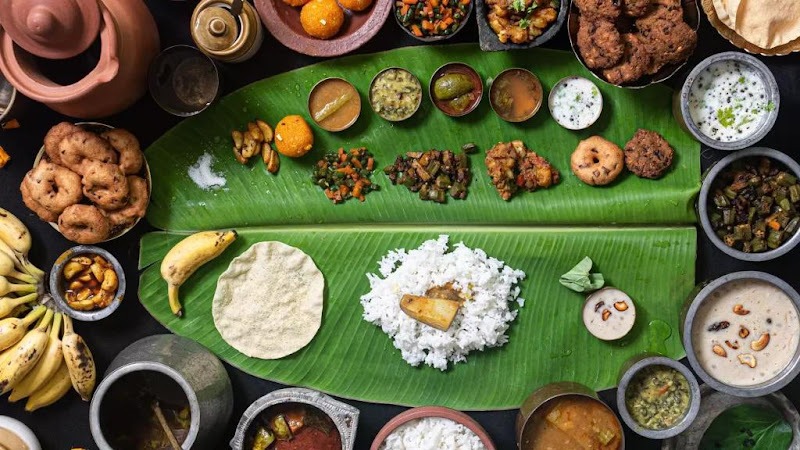
1. Traditional Banana Leaf Service
A timeless favourite that celebrates South Indian heritage.
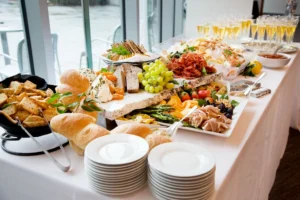
2. Elegant Buffet Displays
Offering variety while maintaining sophistication.
3. Live Food Stations
Creating interaction and entertainment during dining.
4. Designer Dessert Counters
Adding visual appeal and memorable photo opportunities.
Beautiful presentation enhances the dining experience without sacrificing authenticity.
Accommodating Diverse Dietary Preferences
Modern wedding guest lists are more diverse than ever.
Guests may include:
- Vegetarians
- Vegans
- Health-conscious diners
- Children
- Elderly guests
- Individuals with dietary restrictions
Thoughtful menu planning can accommodate everyone without creating separate dining experiences.
Popular additions include:
1. Millet-Based Dishes
Nutritious and deeply rooted in South Indian cuisine.
2. Low-Sugar Desserts
Ideal for health-conscious guests.
3. High-Protein Options
Providing balanced choices for modern lifestyles.
4. Gluten-Aware Selections
Offering greater accessibility for guests with dietary needs.
Turning Culinary Diversity Into a Celebration
An inter-caste marriage is a union of two families, two cultures, and two different stories.
The wedding menu needs to encapsulate that very essence.
Instead of being biased toward one culture, the aim needs to be equal respect for both.
What guests tend to remember is when they had an experience worth remembering whether it was trying out a regional delicacy, knowing a cultural practice, or watching two families showcasing their culture through food.
A well-planned menu is one of acceptance and harmony.
FAQs
1. How do you balance traditional and fusion food at an inter-caste wedding?
Start by identifying culturally significant dishes from both families and build a menu around them. Add fusion elements as complementary experiences rather than replacements.
2. What are the most popular fusion food ideas for South Indian weddings?
Live food counters, regional snack stations, modern dessert presentations, millet-based innovations, and global cuisine additions are currently trending.
3. Should inter-caste weddings have separate menus for each family?
Not necessarily. A thoughtfully designed combined menu often creates a stronger sense of unity while representing both traditions equally.
4. How can wedding caterers help resolve menu disagreements?
Professional caterers conduct tastings, recommend balanced menus, and use their experience to accommodate multiple traditions while ensuring a seamless dining experience.