
Introduction: Why a Balanced Wedding Menu Matters
Food is one of the most memorable elements of any wedding. Guests may forget the décor details or the exact playlist, but they will always remember whether the food delighted them. Designing a balanced wedding menu is not just about choosing popular dishes—it’s about creating an inclusive, thoughtful dining experience that caters to diverse tastes, dietary needs, age groups, and cultural preferences.
In Indian weddings especially, guest lists often include elders, children, vegetarians, non-vegetarians, health-conscious guests, and people with specific dietary restrictions. A well-designed wedding menu ensures everyone feels welcomed and satisfied. This guide will walk you through how to plan a perfectly balanced wedding menu that works for all guests while remaining elegant, practical, and unforgettable.
Understand Your Guest Profile Before Planning the Menu
The first step in designing a balanced wedding menu is understanding who will be attending your wedding. Every guest group has different food expectations, and acknowledging them early helps avoid last-minute stress.
Consider the age range of your guests. Elderly guests may prefer mild spices and familiar traditional dishes, while younger guests may enjoy bold flavors or fusion cuisine. If children are attending, simple and recognizable options are always appreciated.
Also take into account cultural and regional backgrounds. North Indian, South Indian, Jain, vegan, and international guests all have different preferences. A menu that respects these variations automatically feels more inclusive and well thought out.
Balance Vegetarian and Non-Vegetarian Options
One of the most important aspects of wedding menu planning in India is striking the right balance between vegetarian and non-vegetarian dishes. Even at weddings where non-vegetarian food is served, a large portion of guests are often vegetarian.
Ensure that vegetarian dishes are not treated as secondary options. They should be equally rich, diverse, and visually appealing. Instead of offering just one paneer dish, include a mix of gravies, dry preparations, and innovative vegetarian starters.
For non-vegetarian options, quality matters more than quantity. Choose a few well-loved dishes prepared expertly rather than overwhelming guests with too many choices. This balance helps maintain elegance and avoids food wastage.
Include Regional and Traditional Dishes
Traditional food adds emotional value to a wedding. Including regional specialties or family-favorite recipes helps guests connect with the celebration on a deeper level.
If the wedding involves families from different regions, consider representing both sides through the menu. For example, a North Indian wedding might include South Indian breakfast counters, or a South Indian wedding could incorporate Punjabi or Rajasthani flavors for dinner.
Traditional dishes also tend to be comforting and familiar, making them a safe choice for guests of all ages.
Add Modern and Fusion Elements for Variety
While traditional dishes are essential, modern weddings also benefit from contemporary and fusion elements. These dishes excite younger guests and add visual appeal to the buffet.
Fusion food should be used strategically. The goal is to enhance the menu, not confuse guests. Live pasta counters, Indo-Chinese starters, or Indian-style tacos can offer novelty while still feeling approachable.
Balancing tradition with innovation ensures your menu feels current without alienating guests who prefer classic flavors.
Design a Menu That Covers All Courses Thoughtfully
A balanced wedding menu flows smoothly from start to finish. Each course should complement the next without overwhelming guests.
Starters should be light and flavorful, setting the tone without filling guests up too early. Main course dishes should offer variety in textures, spice levels, and cooking styles. Desserts should feel indulgent but not excessive.
Spacing out rich dishes with lighter options helps guests enjoy the entire meal comfortably.
Cater to Dietary Restrictions and Special Food Needs
Modern weddings must account for dietary preferences such as Jain food, vegan meals, gluten-free options, and low-spice dishes. Ignoring these needs can unintentionally exclude guests.
Clearly label food counters or dishes so guests can easily identify what suits them. Dedicated Jain or vegan counters are often appreciated and prevent cross-contamination.
Providing these options shows thoughtfulness and hospitality, qualities that guests always notice.
Maintain Flavor Balance Across the Menu
A well-balanced menu offers a range of flavors—spicy, mild, tangy, sweet, and savory. Avoid repeating similar gravies or spice profiles across multiple dishes.
If one dish is rich and creamy, balance it with something lighter and tangy. If the starters are spicy, ensure the main course has mild options as well.
This variety keeps guests engaged and prevents palate fatigue.
Focus on Quality Over Quantity
A common wedding planning mistake is offering too many dishes. While variety is important, an overloaded menu often leads to confusion and food wastage.
Guests remember taste and presentation more than the number of items served. A carefully curated menu with fewer but well-executed dishes always leaves a stronger impression.
Working with an experienced caterer helps you finalize a menu that feels abundant without being excessive.
Plan the Menu According to the Event Timing
Timing plays a crucial role in menu design. A morning wedding calls for lighter, breakfast-style dishes, while an evening reception allows for richer options.
For afternoon events, balance heavy dishes with refreshing beverages and salads. Late-night events benefit from comfort foods and live counters that keep energy levels high.
Matching the menu to the event schedule ensures guests feel satisfied, not overwhelmed.
Don’t Forget Presentation and Flow
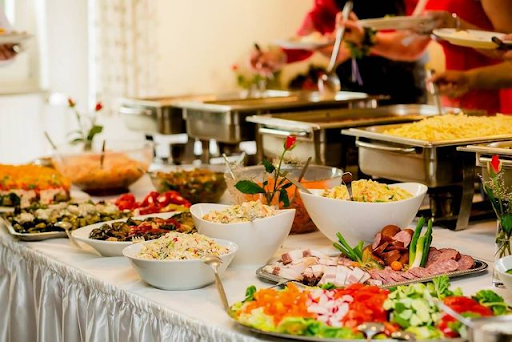
A balanced wedding menu is not just about taste—it’s also about how the food is presented and served. Well-organized buffet layouts, clear signage, and smooth service enhance the dining experience.
Live counters should be placed strategically to avoid crowding. Desserts should be displayed attractively to draw guests in. Thoughtful presentation elevates even simple dishes.
Work With a Professional Caterer for Expert Guidance
Designing a balanced wedding menu requires experience, planning, and coordination. A professional caterer understands portion control, guest preferences, seasonal ingredients, and service logistics.
Experienced caterers can suggest combinations that work well together, anticipate guest needs, and execute the menu flawlessly. Their expertise ensures your vision translates into a seamless dining experience.
Conclusion: Creating a Wedding Menu Everyone Remembers
A balanced wedding menu is a blend of taste, tradition, inclusivity, and creativity. By understanding your guests, respecting dietary needs, balancing flavors, and choosing quality over quantity, you can create a dining experience that feels warm and memorable.
Food has the power to bring people together, spark conversations, and leave lasting impressions. When designed thoughtfully, your wedding menu becomes more than just a meal—it becomes a celebration of love, culture, and togetherness.